
Key Takeaways
Understanding how digital delivery changes home entertainment is vital in our connected world. Here are the most essential points regarding today’s streaming landscape.
- Internet Protocol Television (IPTV) transmits television signals over private or public internet networks.
- It offers distinct advantages over traditional cable, including better interactivity and video-on-demand capabilities.
- Successful streaming relies heavily on stable, high-speed residential data connections.
- Legal IPTV services operate under strict content licensing agreements, distinct from unauthorized piracy networks.
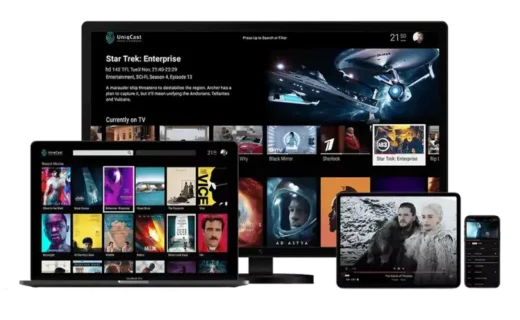
- Users often utilize TVWILL IPTV UK to access thousands of live channels and movies through simple, compatible applications.
The technical foundation of IPTV
Television has evolved significantly from the days of simple antenna signals. Modern viewers now frequently ask what is iptv and how it functions as a primary source for home media. By shifting from standard broadcast to data packets, this technology creates a more flexible viewing environment for everyone.
Definition of internet protocol television
At its core, this service method provides television content through the same underlying protocols used for web traffic. Unlike static broadcasts, it packages video data into chunks that are delivered over a network. Internet Protocol television has become the standard for modern digital entertainment, allowing for a seamless blend of live and recorded media.
How IPTV differs from traditional cable and satellite
Traditional systems reach homes via dedicated lines or dish links, maintaining consistent, fixed streams. Traditional TV vs IPTV comparison highlights that, while cable is passive, modern IP-based systems allow for two-way communication between the distributor and the client. This means the viewer can interact with the broadcast in ways never possible with a standard coax cable.
The role of internet bandwidth in streaming quality
High-definition and 4K content demand significant throughput to avoid stuttering. Having a sufficient internet speed ensures the set-top box or smart device maintains a stable buffer at all times. Without adequate bandwidth, even the most efficient compression protocols will struggle to deliver a crisp picture to your screen.
How the technology works
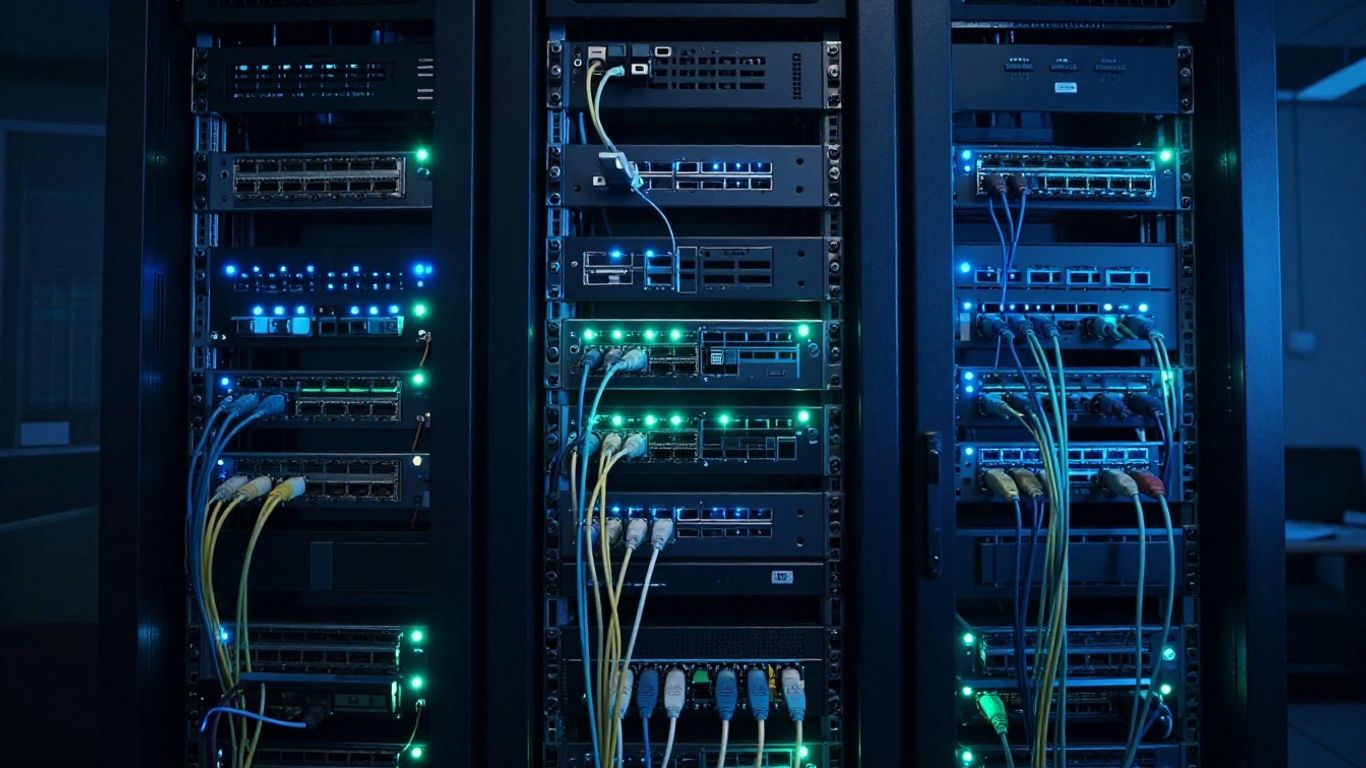
Encoding and routing play a massive role in ensuring that a signal reaches your television in real-time. By utilizing smart networking, data packets find the most efficient path despite common network congestion. This process is far more dynamic than older, linear broadcast methods.
Packet-switched networking principles
Unlike circuit-switched networks that occupy a single path for a phone call, this method breaks video into specific data packets. These packets travel across the network independently, often taking different routes, before being reassembled at their destination. This resilience is what keeps streams active even when specific parts of a local network experience temporary traffic spikes.
The process of signal encoding and compression
Raw video signals contain too much data for efficient internet transmission, so providers use compression standards like H.264 or HEVC. These algorithms strip away redundant visual information while maintaining perceived image quality. Efficient encoding allows a service to provide 30,000+ live channels while keeping the load on the user’s internet connection manageable.
Decoding and content delivery at the user end
Once the compressed packets arrive, the user’s hardware—whether it is a specialized box or an application—must decode them. This final step turns the data back into visual frames that appear on your display. Using reliable platforms like TVWILL IPTV UK ensures this handoff happens invisibly in the background.
Types of IPTV services
Video on demand explained
Video on demand represents a shift from scheduled viewing to personal preference. Instead of waiting for a specific start time, you choose what to watch from a library. Most top-tier services provide access to thousands of movies and series on demand.
Live broadcast TV over the internet
Live streaming mirrors the feel of traditional TV by offering channel lineups in real time. Many viewers find this perfect for sports and news where timing is critical. It delivers a broadcast experience that feels familiar while offering the convenience of streaming.
Time-shifted programming and catch-up services
Catch-up options allow viewers to watch a program after it has already aired. This adds another layer of control, as your television schedule becomes flexible enough to accommodate your actual life. It is standard for modern services to provide at least a few days of playback history.
Benefits for consumers and providers

Modern television delivery brings distinct advantages that make entertainment more enjoyable and flexible than ever before. Choosing the right provider, like TVWILL IPTV UK, can make these benefits immediately apparent.
Interactivity and user control
Users now expect to manage their content, from pausing live games to rewinding news segments. This levels up your entertainment options by giving you complete authority over your viewing timeline. You are no longer at the mercy of a pre-set programme grid.
Cost-efficiency compared to traditional infrastructure
Maintaining regional cable and satellite towers is expensive for operators. IP-based infrastructure relies on existing fiber and broadband wires, lowering total maintenance costs. This efficiency often translates into better subscription value for the end user.
Personalisation and targeted content delivery
Digital delivery allows providers to offer tailored suggestions based on what you actually watch. The following table showcases how different delivery formats differ in their consumer impact:
| Feature | Traditional Cable | Modern IPTV |
|---|---|---|
| Content Delivery | Linear Broadcast | IP Packets |
| Two-way Interaction | Very Limited | High |
| Scalability | Low | Very High |
This data shows why so many households are moving toward flexible, digital-first solutions for their daily viewing habits.
Technical and legal considerations
Common network performance issues
Buffer issues and lagging are usually caused by local Wi-Fi interference or low speeds. Wired connections often provide the most stable result. It is helpful to follow a proper installation guide to optimize your hardware setup for peak performance.
Distinguishing between legal IPTV and piracy networks
Legitimate services operate with proper licensing whereas piracy networks often use stolen, redistributable streams. Users should always prioritize providers that respect content rights and adhere to standard terms of service. This ensures long-term stability for your subscription.
Data usage implications for residential connections
Streaming high-definition video utilizes significant amounts of data throughout the month. If your residential plan has a strict data cap, continuous streaming may result in overage charges from your ISP. It is recommended to check your monthly data allowance before committing to a high-volume streaming service:
- Monitor your router settings to check for daily data consumption spikes.
- Consider disabling auto-play features on apps if you notice excessive usage.
- Opt for standard HD quality instead of 4K when bandwidth is limited.
- Connect devices via Ethernet to ensure you are not wasting bandwidth through wireless instability.
These simple habits keep your streaming experience predictable and clear.
Setting up an IPTV system
Choosing compatible hardware devices
Compatibility is usually broad, including Smart TVs, Android boxes, and even laptops. The best hardware is that which connects directly to your router for speed. Make sure your chosen device runs on a current operating system to ensure support for modern application protocols.
Internet speed requirements for high-definition streaming
While lower speeds might work, having a stable download rate of at least 20-50 Mbps is ideal. Speed is the limiting factor for picture quality, so test your connection before final setup. A solid, consistent speed keeps the feed running smoothly without mid-show pauses.
App installation and service configuration
Installation typically involves downloading a media player application and entering your specific credentials. Once configured, you will have access to all your subscribed channels immediately. It is a straightforward process designed to get you watching your favourite shows in minutes.
Conclusion
Transitioning to IPTV fundamentally changes how we watch media by putting the user in control of scheduling and selection. With the right hardware and a reliable connection, the vast world of global content becomes accessible from almost any room in your home.
Frequently Asked Questions
What do I need to begin watching IPTV?
To start, you need a stable broadband connection, a compatible device like a Smart TV or streaming box, and a valid subscription from a service provider.
Does IPTV require a special antenna?
No, it does not require an antenna or satellite dish because it uses your existing home internet connection to transmit video and audio data.
Can I use IPTV on mobile devices?
Yes, most IPTV services allow you to use dedicated mobile apps on your smartphone or tablet, provided you have a steady internet signal.
Is the picture quality as good as cable?
Yes, high-speed internet connections can deliver Full HD and even 4K quality, often exceeding the clarity provided by traditional terrestrial broadcasts.
Why does stream quality fluctuate sometimes?
Fluctuations are typically caused by local network congestion, Wi-Fi interference, or the current speed provided by your internet service provider.
What does VOD mean in this context?
Video on Demand (VOD) allows you to select and watch specific movies or shows whenever you like, rather than waiting for them to play on a live schedule.
Should I use a VPN with my IPTV service?
Using a VPN can help maintain your privacy and may prevent your ISP from throttling specific types of traffic, ensuring a more consistent streaming performance.